

It isn’t entirely clear exactly how risky it is to drink untreated backcountry water.
While some water sources clearly contain dangerous pathogens and pollutants, others appear to be relatively safe – at least at the moment they were tested; all it takes is one duck, beaver, or sick human to contaminate a pond or creek.
For that matter, microplastics, fertilizers, and pesticides may find their way into these water sources at times. And at least one scientist is even concerned that DDT and PCBs may be contaminating the water supply via glacial meltwater.
So, while some think that it is unnecessary to treat all backcountry water before drinking it, few hikers or backpackers are willing to take this kind of chance. This is particularly true given that there are so many lightweight and affordable water treatment options on the market.
But before you decide on the best water treatment option for your next wilderness adventure, it is important to familiarize yourself with some of the dangerous things that may be lurking in backcountry water sources. We’ll share a few of the most notable threats below.
1. Giardia duodenalis
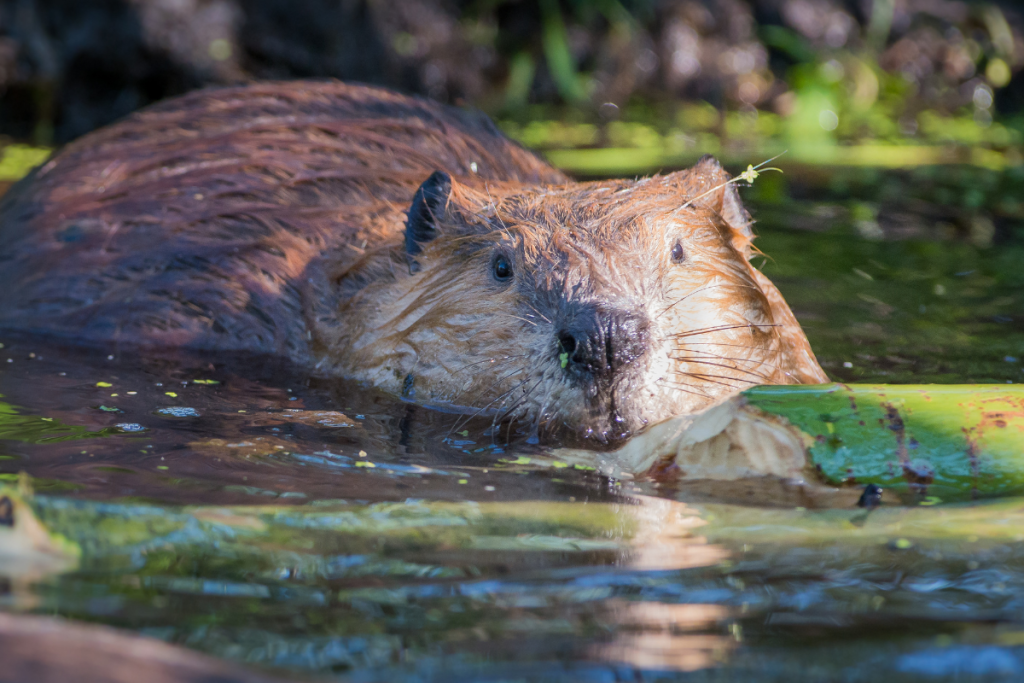
This flagellate protozoan is one of the most common threats found in wild water sources. Capable of causing a variety of symptoms, ranging from diarrhea to cramps to fatigue, Giardia infections can last as long as six weeks.
There are medications available to treat the infection, but they don’t always work. Giardia infections are often called “beaver fever,” as beavers and muskrats appear to be important infection vectors.
To protect yourself from Giardia, you can boil water for 3 minutes, pass it through a filter with 1-micron pores (or smaller), blast it with UV light, or use chlorine or iodine tablets.
2. Cryptosporidium

Another protozoan parasite, “crypto” (as it is often called) causes the same basic kinds of GI issues Giardia does, including diarrhea and cramping, but it can also cause vomiting and a fever.
Fortunately, healthy people tend to fight off crypto infections in two or three weeks, but some people remain ill for 30 days or longer. Crypto may be transmitted by a variety of wild animals (especially large mammals, including moose, elk, and deer) or other humans.
You can protect yourself from crypto by boiling the water for 3 minutes, using UV light, or by filtering it through pores that are no larger than 1 microns in size. It is important to note that cryptosporidium cysts are resistant to most chemical treatments, making water purification tablets ineffective for this parasite.
3. Escherichia coli
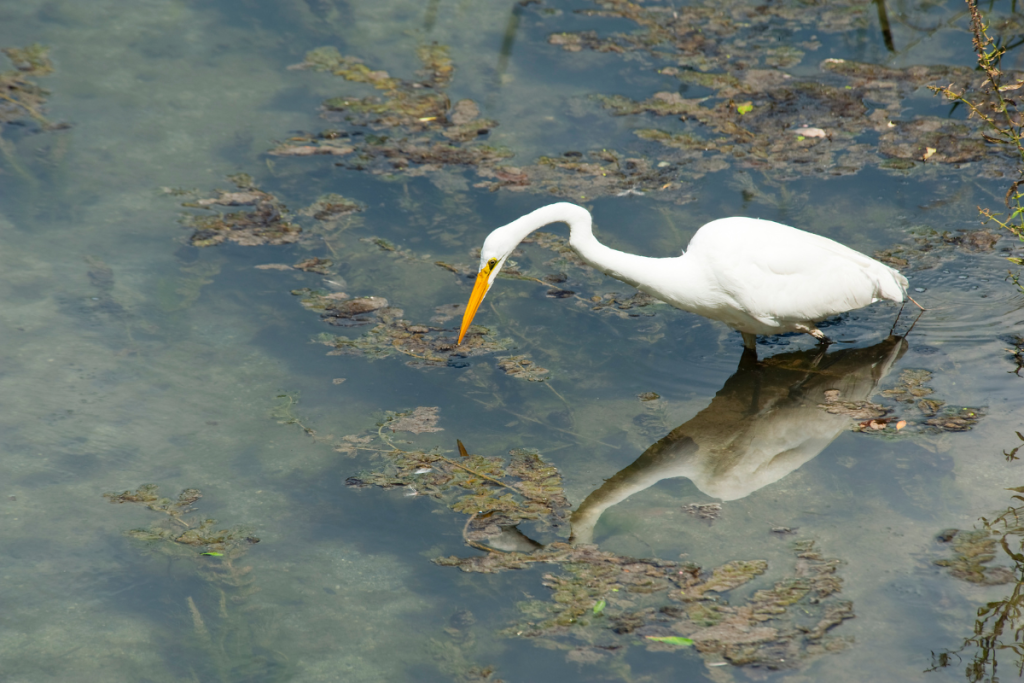
A bacteria whose name is often shortened to simply E. coli, this pathogen can cause the same type of gastrointestinal symptoms Giardia and crypto cause. It’s important to note that E. coli occurs in myriad strains; some are harmless and are found in the intestinal tract of healthy humans, while others (such as E. coli O157) are pathogenic and capable of causing serious illness.
Capable of living in clean or murky water, E. coli often persists for weeks in cold water sources, such as mountain streams. E. coli can be transmitted by a range of species, including large mammals, waterfowl, and other humans.
There are no specific treatments for E. coli, though some healthcare providers will prescribe antibiotics to treat serious cases. Most people recover on their own in about a week or so.
You can eliminate E. coli from water by using a 0.3-micron water filter, or you can kill it by boiling the water for 3 minutes, using UV light, or by using water purification tablets.
4. Campylobacter spp.
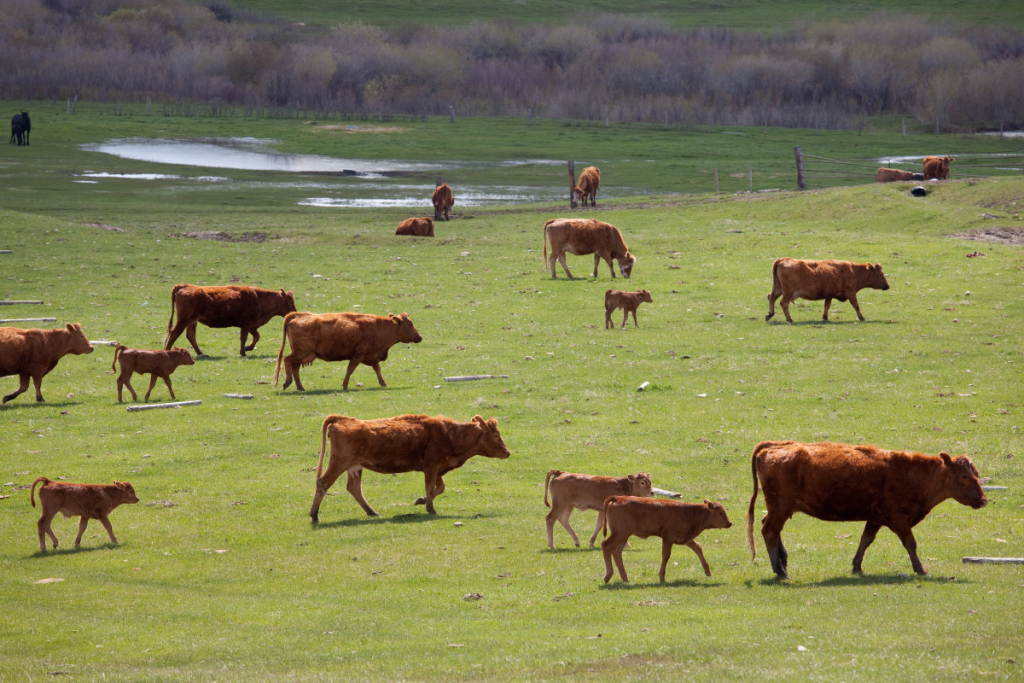
Campylobacter is a bacteria that triggers a variety of gastrointestinal symptoms, including not only cramping and nausea but also bloody diarrhea. This makes it a particularly nasty bug that you’ll want to avoid.
Campylobacter bacteria are commonly spread by animals, including livestock. That may seem to make the disease less of an issue in the backcountry, but farms often border public parks and forests, which may lead to the pathogen’s presence in wild water sources. Fortunately, most healthy individuals recover in about a week, but antibiotics are sometimes necessary in serious cases.
The same basic methods used to treat E. coli also work for Campylobacter. You can boil the water for 3 minutes, irradiate it with UV light, use a 0.2-micron filter, or add water purification tablets.
5. Leptospira spp.
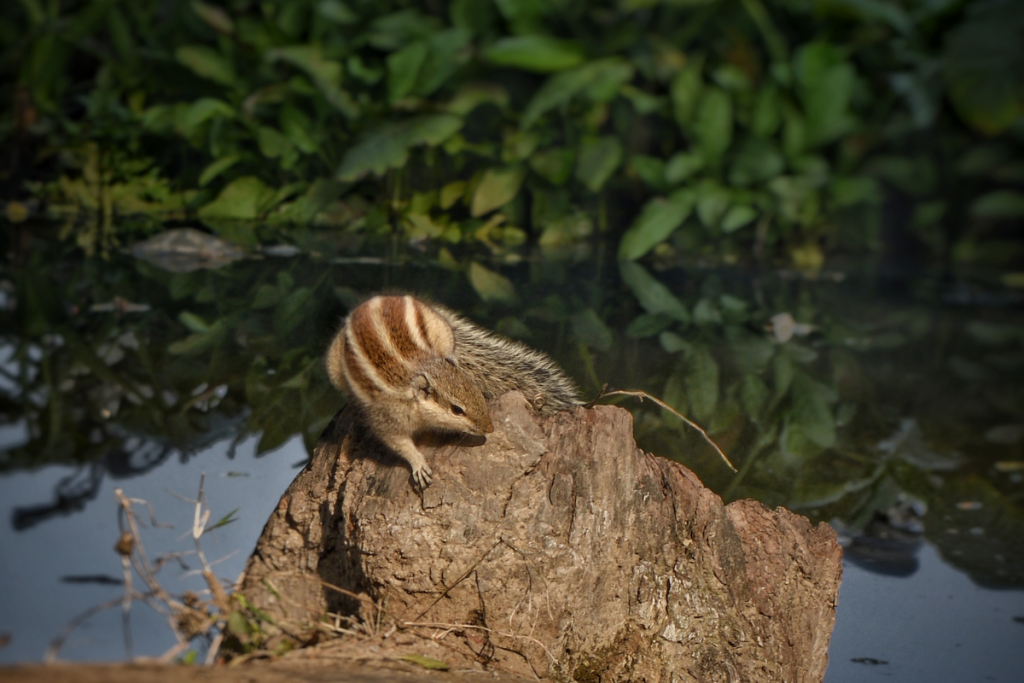
Another bacteria of concern, Leptospira causes slightly different symptoms than Campylobacter and E. coli. Vomiting is often seen, but diarrhea isn’t common. Instead, this pathogen tends to cause things like headaches and fevers, and it can even cause liver or kidney damage in some cases.
Common in both wild and domestic animals, it is quite commonly found in backcountry water sources, particularly in areas with high rodent populations. Antibiotics are often required to treat this disease effectively.
Fortunately, Leptospira is easy to eliminate via boiling (for at least 3 minutes), UV light exposure, 0.2-micron filtration, or through the use of water purification tablets.
6. Norovirus

An extremely contagious virus that’s capable of causing severe vomiting and diarrhea, Norovirus is usually most associated with crowded situations, such as daycares and cruise ships. But it can also be found in wild water sources, particularly in areas frequented by other hikers and campers.
There is no specific treatment for this virus, so you must simply let it run its course. Fortunately, it usually resolves in a few days, but young children, immuno-compromised people, and the elderly are at heightened risk of developing serious illness.
Boiling, UV light, and water purification tablets can help neutralize Norovirus, but filtration is not usually characterized as effective. Very fine filters may eliminate most of the virus particles, but most authorities recommend using a secondary method to be safe.
7. Shigella
Another bacteria that can be found in backcountry water sources, Shigella causes similar symptoms to most other bacteria that trigger gastrointestinal symptoms, including vomiting, diarrhea, and cramping.
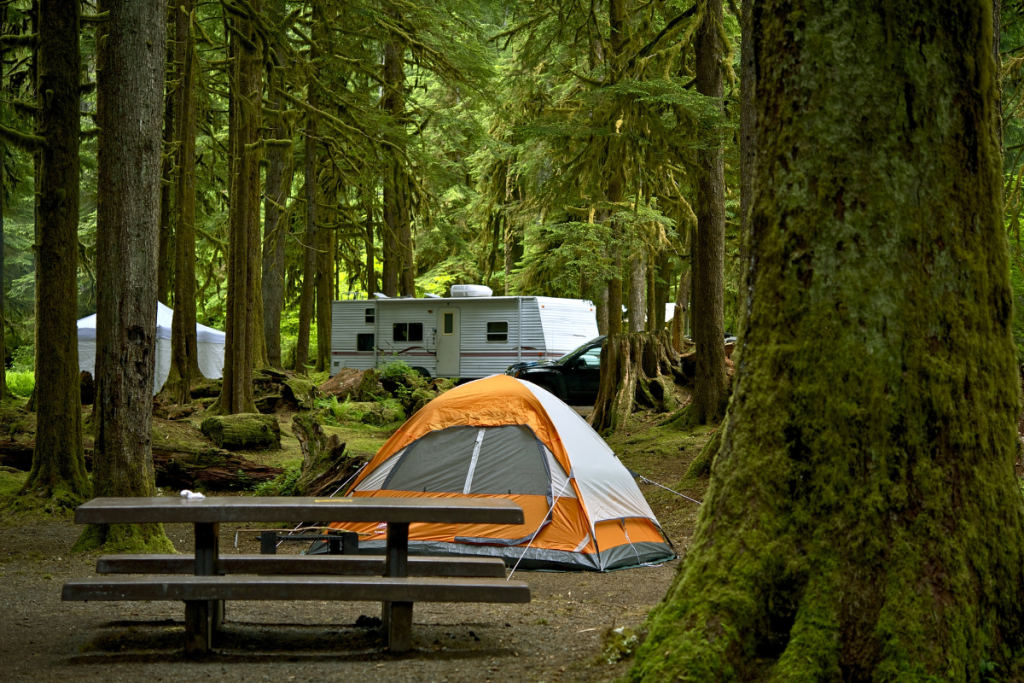
Unlike many other bacteria that are typically transmitted from animals to humans, Shigella is generally passed from one human to another. This makes the waters near (or downstream of) crowded campsites particularly risky. Antibiotics are generally required to treat this illness, which is problematic given that antibiotic resistance in this bug is on the rise.
All of the typical remediation methods work on Shigella, including sub-0.2-micron filtration, UV light, boiling for 3 minutes, and chemical water treatment tablets.
8. Entamoeba histolytica
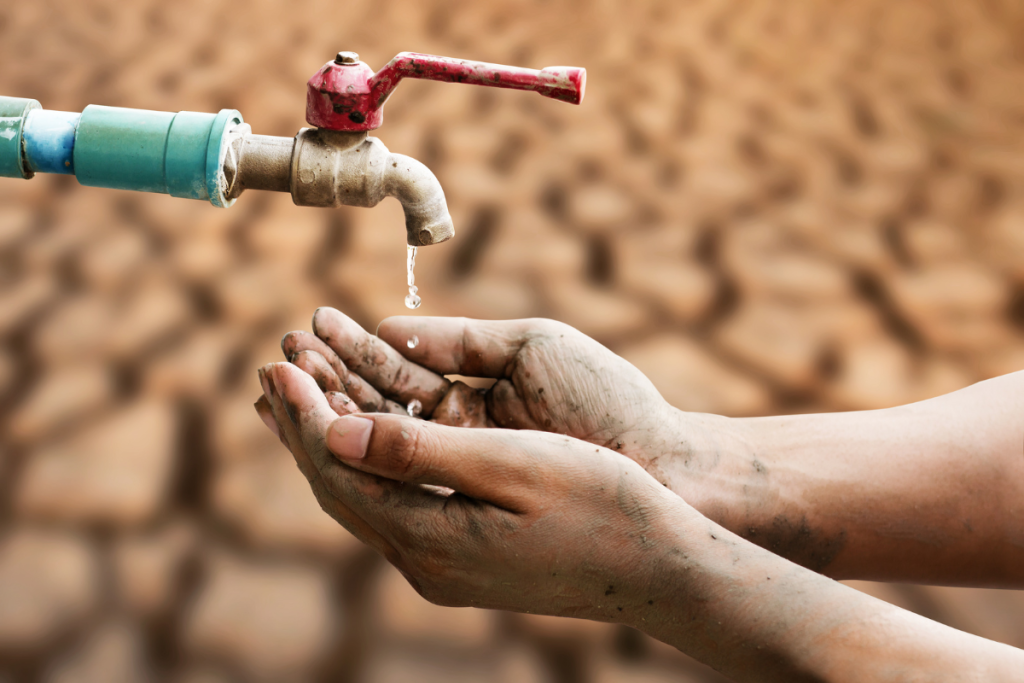
Better known as amoebic dysentery, Entamoeba histolytica is a protozoan that can be found in humans and wild animals. It is most commonly caused by fecal-oral transmission in humans living in crowded, unsanitary conditions, but it can also be contracted from backcountry water sources.
Bloody diarrhea is the most characteristic symptom associated with this parasite, but it can also cause cramping, nausea, vomiting, and a fever. Infections can be quite serious, and multiple medications may be required to treat this illness.
Fortunately, boiling, chemical tablets, UV light, and filters with pores less than 1 micron wide will all eliminate or kill these protozoans.
9. Heavy Metals
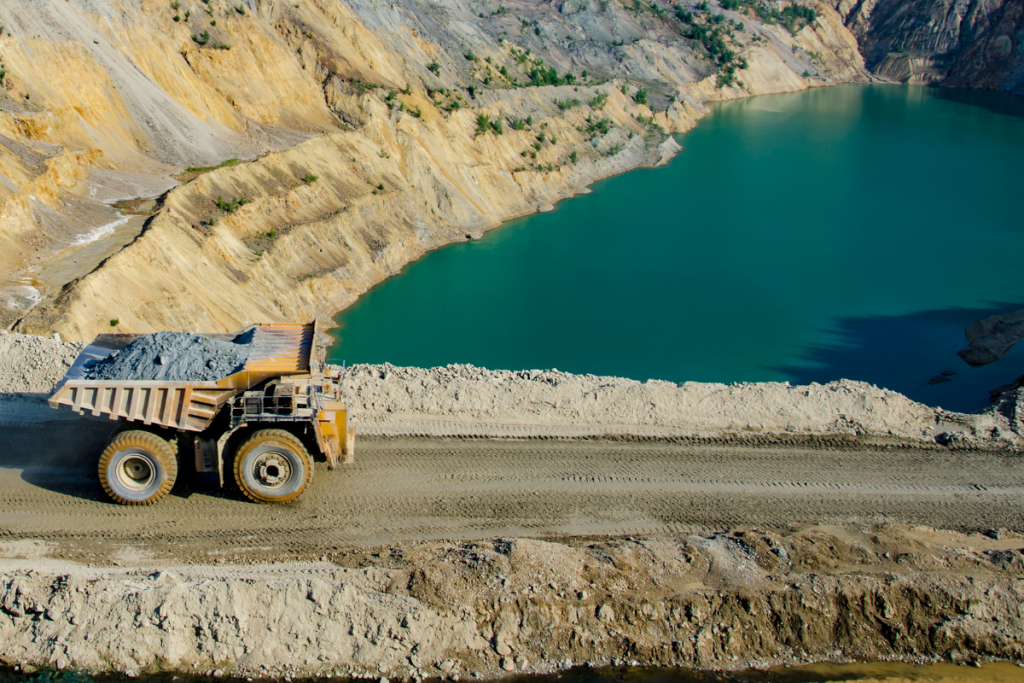
A variety of heavy metals can be found in backcountry water sources, though lead, mercury, arsenic, cadmium, and copper are typically the most notable examples. Each presents different health risks, but they’re almost all very dangerous.
Heavy metals are typically considered long-term threats; however, they’re often problematic in extremely tiny doses – especially if you’re repeatedly drinking from a water source while hiking or camping for an extended period of time.
Ready for the really bad part? There’s nothing you can reasonably do to remove them from the water. Standard filters won’t touch them (there are filters that’ll remove them, but none that are portable enough for use on the trail). Boiling can actually concentrate them, and neither treatment tablets nor UV light are helpful either.
Instead, you simply need to avoid them as best you can. This means not drinking water flowing near mining or industrial areas, and you should probably try to avoid water that may be contaminated with agricultural runoff too.
10. Pesticides, Herbicides, and Insecticides
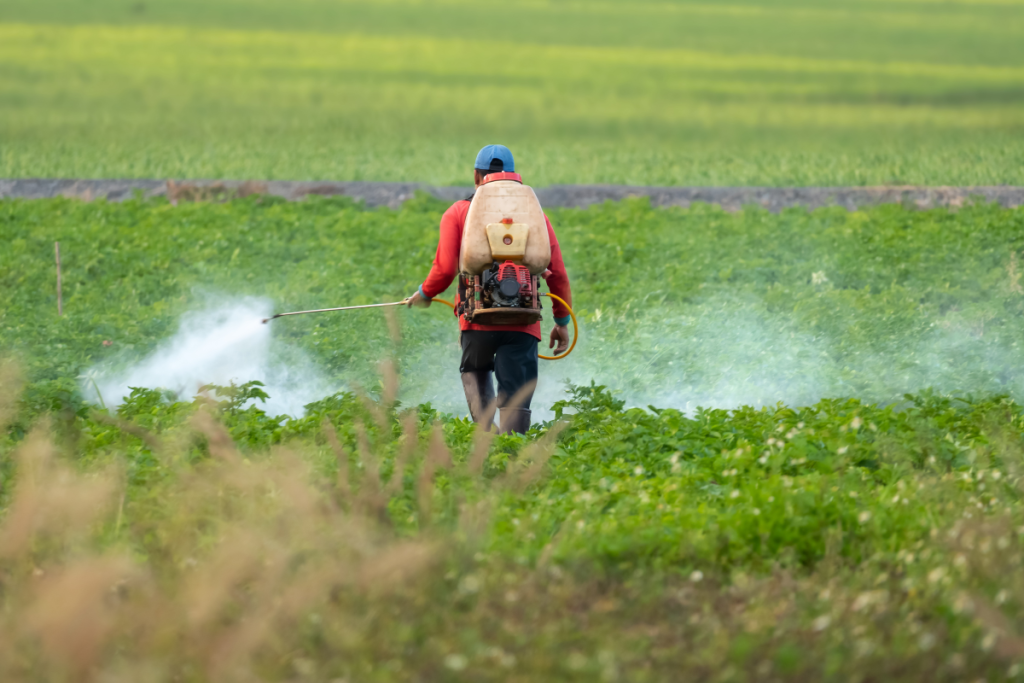
In addition to wreaking havoc on natural habitats, pesticides, herbicides, and insecticides can also contaminate water sources, leading to human illness. These substances all vary greatly, so it is hard to make sweeping generalizations. However, short-term effects often include things like headaches, dizziness, and vomiting, while long-term exposure may include things like an increased risk of cancer or neurological issues.
And unfortunately, as with heavy metals, pesticides, herbicides, and insecticides are difficult to address when found in a backcountry water supply. Traditional backpacking water filters are incapable of removing them, though some activated carbon filters may reduce the concentration level of some of these substances.
Boiling does nothing, and there’s nothing for UV light or chemical water treatment tablets to kill, so they’re ineffective too. Once again, your best bet is to simply avoid water that’s contaminated with these pollutants.
11. Pharmaceuticals
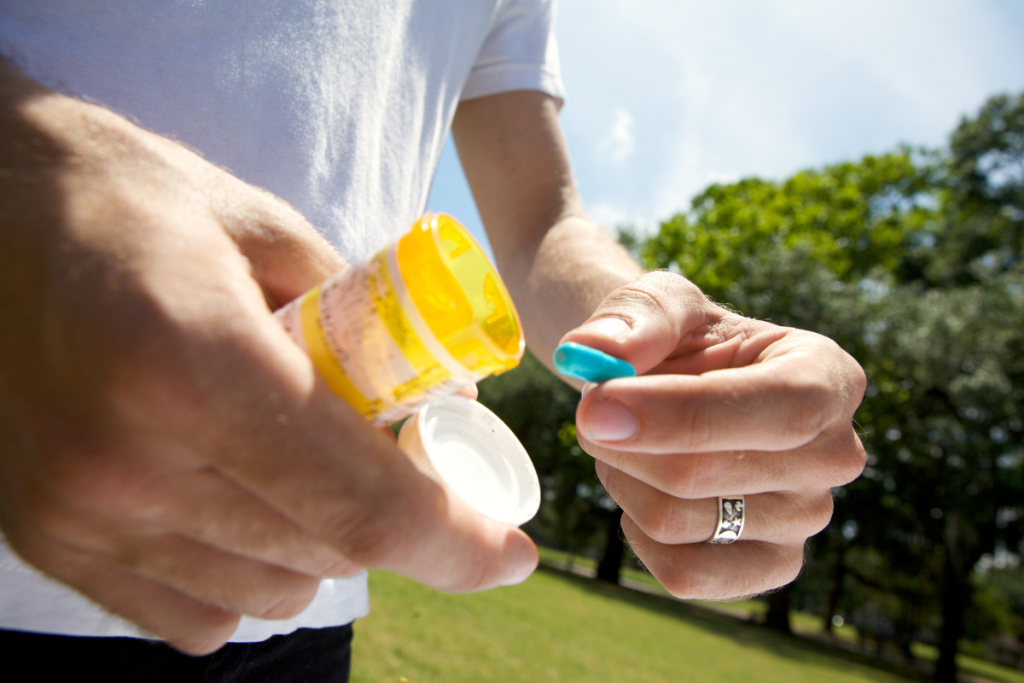
A growing concern for modern hikers and backpackers, drugs can be found in a growing number of backcountry water sources.
The list of potential medications that may find their way into rivers, lakes, and streams is essentially endless, as are the potential health hazards they may cause people who accidentally ingest them by drinking contaminated water. These substances can get into the water supply in several different ways, ranging from careless handling and disposal to poor backcountry elimination habits.
Unfortunately, these too are difficult to address via conventional means. Regular filters won’t help, nor will boiling, UV light, or treatment tablets. Once again, the best strategy is to simply avoid sources that may be contaminated.
12. Cyanotoxins
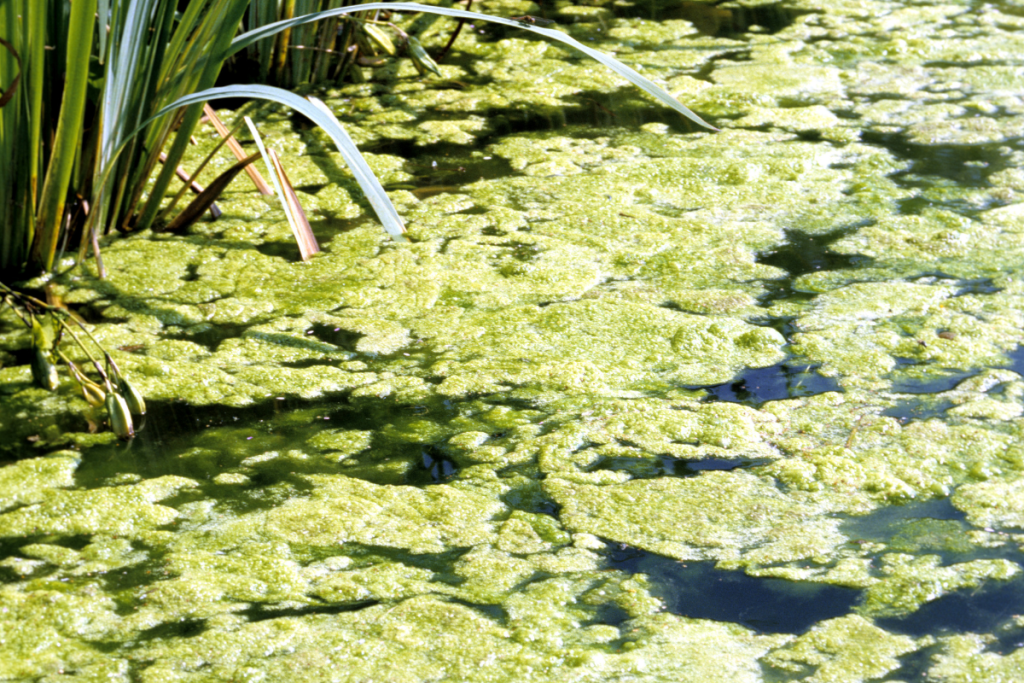
Cyanotoxins are potentially dangerous chemicals produced by blue-green algae. Typically released when the conditions are ideal for the algae’s growth, these chemicals can cause a range of health conditions, including rashes, respiratory failure, paralysis, and death. Clearly, they’re nothing to take lightly.
However, this is the part where we once again have to explain that there’s not a lot you can do to protect yourself from these toxins. Standard-issue backpacking filters are ineffective, though activated carbon filters may reduce some types of cyanotoxins. Boiling, UV light, and chemical tablets are similarly ineffective.
Instead, you must simply try to avoid water sources that are full of cyanotoxins. So, always avoid drinking water from warm, stagnant pools, as well as any water body that appears blue, green, or has a film on the surface. Additionally, avoid areas exposed to agricultural runoff, as this is one of the leading triggers for algal blooms.
13. Microplastics

Microplastics are tiny plastic particles, which are typically the broken down remnants of larger plastic items (however, some plastic particles are deliberately engineered to be small, such as the beads found in some cosmetic products). They are typically associated with urban and suburban areas, but they are found on just about every square inch of the Earth. They’ve been collected from Antarctica and Mount Everest, so your favorite wilderness area is likely contaminated too.
Microplastics don’t seem to present the kind of acute threat that cyanotoxins or pharmaceuticals may; instead, they appear to be harmful over the long term. Nevertheless, they can likely cause serious health problems, and are best avoided.
Unfortunately, the only way to do so in a backpacking or hiking context is by using the best mechanical filter you can. Those with a pore size of 0.1 micron or less will likely filter out some portion of the plastic particles, though they’re unlikely to remove them all.
14. Volatile Organic Compounds
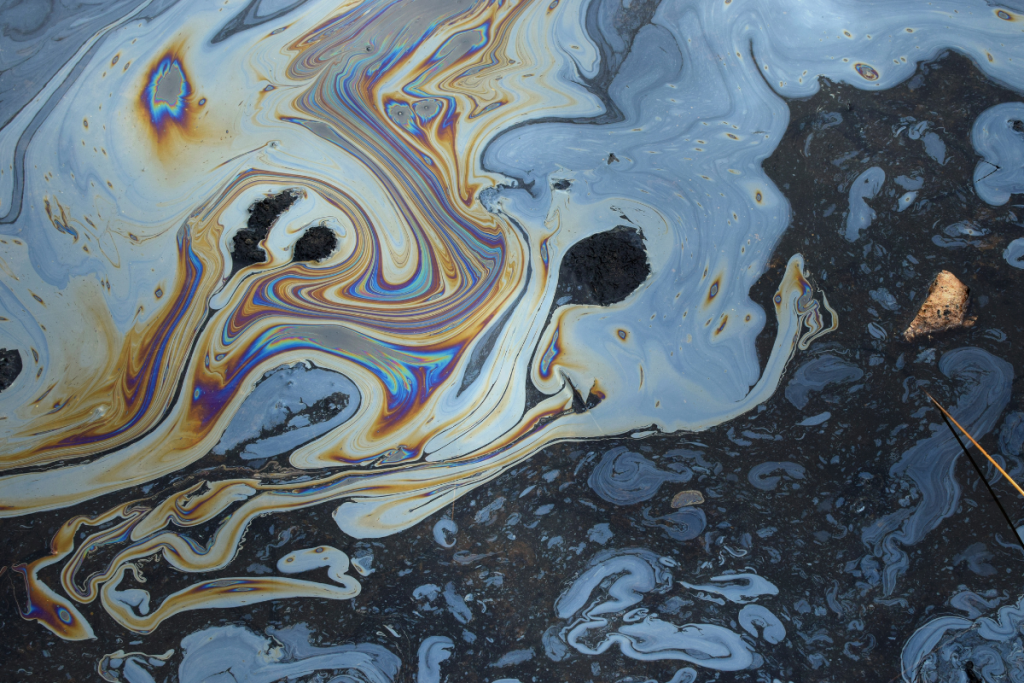
Volatile organic compounds (VOCs) are substances that evaporate at room temperature.
There are scads of different kinds of these substances, ranging from gasoline to naphthalene (the active ingredient in mothballs), to formaldehyde. And they can all cause varying health problems in people who ingest them. Some are only likely to trigger mild symptoms like nausea or dizziness, but others are lethal in small doses.
You can’t protect yourself from these chemicals with UV light, purification tablets, or by boiling (though true distillation works). Normal mechanical filtration is also ineffective. However, activated carbon filters will adsorb many volatile organic compounds, which will mitigate the risks they present.
What About Those Brain-Eating Amoebas?

Naegleria fowleri is a microscopic amoeba that is common in many warm, stagnant bodies of water. When it infects humans, it can cause serious brain damage (hence its common name). Worse, it is very difficult to treat and often fatal.
But it’s not a big deal in the context of drinking water – drinking water contaminated with the parasite won’t make you sick. It causes illness when it enters the nasal cavity, typically when people are swimming in or splashing around water containing the protozoan.

Understand that this list is far from exhaustive, and a litany of other things may make a given body of water unsafe for drinking. However, these 14 threats are among the most important, and every outdoor adventurer should be somewhat familiar with them – especially as it relates to the best way to mitigate the danger they pose.
Stay safe out there, and be sure to let us know any big waterborne dangers we missed in the comments below.


